Crypto assets are moving from being purely investment vehicles to becoming payment tools for everyday use. A recent crypto payment app that combines virtual cards, wallets, and exchange features connects on-chain assets with real-world spending, and its product approach reflects the industry's direction of integrating digital assets into daily payments.
From Crypto Wallet to Daily Spending: How a Visa Card Bridges Real-World Consumption
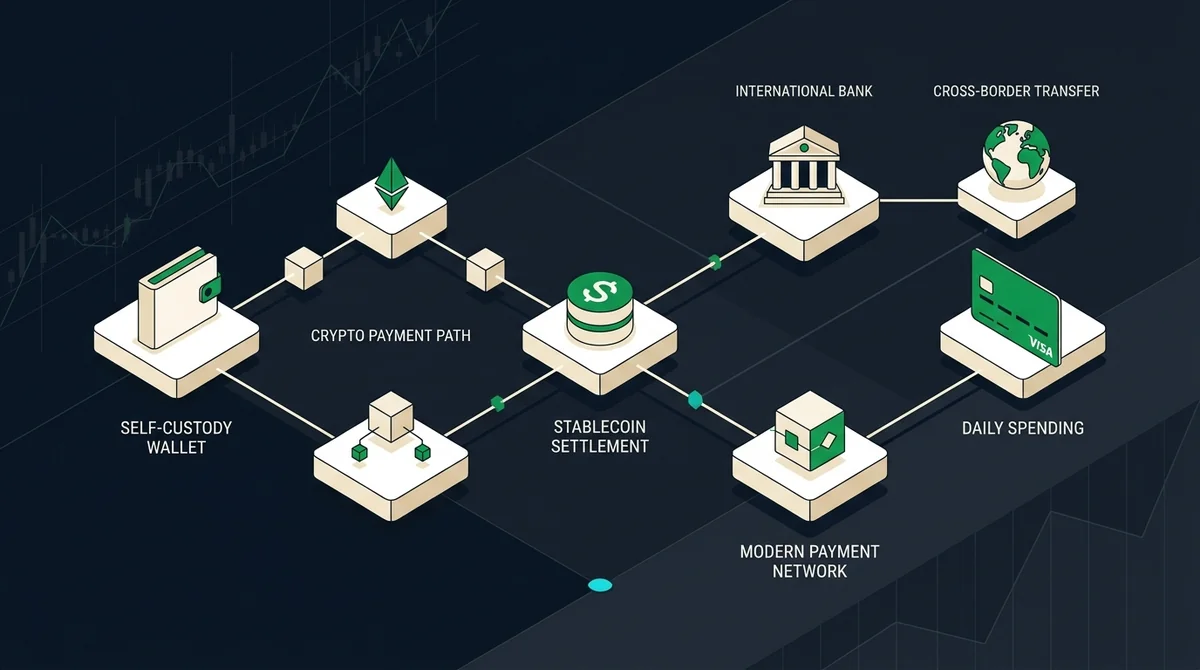
This type of crypto payment app lets users hold, transfer, and manage digital assets in one app, and use a virtual card to spend their balance in the real world. The core idea is to make cryptocurrency work for real life in real time. Users can make everyday payments through the app, supporting tap, swipe, and scan methods for online shopping or in-store purchases. They can also transfer funds to recipients in more than 100 countries and regions, with speeds measured in seconds rather than days. When arriving in a new country, users can pay like locals at Visa-accepting merchants with the card. A physical card is also coming soon, with a waitlist available on the official website.
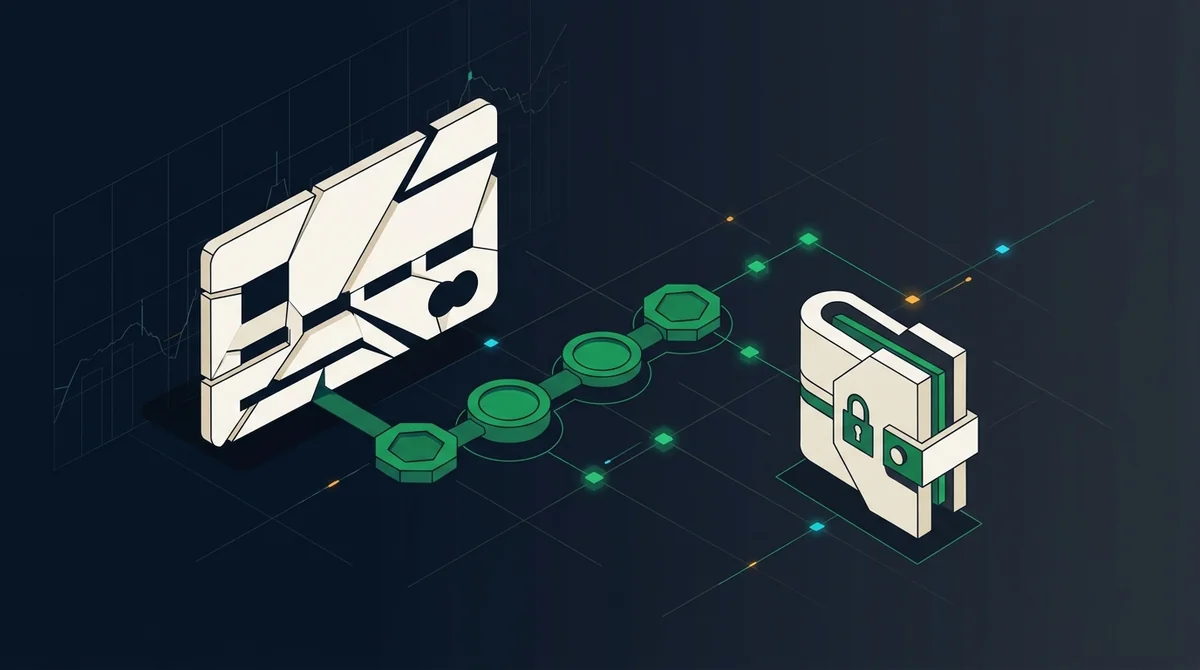
The card runs on the Visa network, where merchants settle in traditional fiat currency, and is accepted at over 150 million Visa merchants worldwide. Users can link MetaMask, Trust Wallet, Binance Wallet, or any self-custody wallet and start spending without the need to pre-transfer funds. The card is positioned as a “unique spending card for the real world” and can also serve as a Bitcoin spending card, covering online orders, in-store tap payments, recurring subscriptions, and travel expenses. Under the hood, it provides stablecoin infrastructure that uses stablecoin rails to meet spending and liquidity needs.
Getting the card is simple: download the app, link MetaMask/Binance/Trust Wallet, top up with stablecoins, and add the card to Apple Pay or Google Wallet to tap and pay at Visa locations worldwide. Everyday spending scenarios include shopping at supermarkets, local stores, and global markets; using the card for ride-hailing, food delivery, and travel expenses; and buying fashion, electronics, and more online. Every transaction is protected by enterprise-grade security architecture and continuous, real-time blockchain monitoring.
More Than Just Swiping: Global Transfers, Buy/Sell Exchange, and Wallet Linking
Beyond payments, the app includes built-in buy, sell, and exchange functions for digital assets, letting users manage crypto assets and payments in one place. Users can also send and receive funds among themselves. For cross-border transfers, users can convert stablecoins into local currency and complete delivery within minutes, with 24/7 service, no hidden fees, and top-tier exchange rates. The transfer process has four steps: choose the destination country; enter the amount and review the transfer details and total amount; pay with USDT or another crypto asset; and the recipient receives funds in local currency through local banks and supported payment channels. These transfers are built on digital dollar rails, bypass traditional banking layers, and complete delivery through full identity verification and locally licensed partners, without being limited by bank business hours or holidays.
Security, Bitcoin, and Stablecoins: Payment Paths with Multi-Asset Support
For users who prefer Bitcoin, the app supports purchases, in-store spending, and cross-border payments with BTC, without the need for off-ramps, delays, or merchants directly accepting crypto assets. After loading BTC, users can pay by tap, scan, or click; they can also send BTC to any wallet, withdraw to a bank, or send it to someone else. The stablecoin USDT is equally suitable for spending scenarios such as shopping, coffee, and travel. On security, every transaction is protected by enterprise-grade security architecture, including continuous real-time blockchain monitoring, and the platform emphasizes that user funds are protected.
Cash Withdrawals and Crypto Cashback: On-Chain Assets Enter Offline Scenarios
The card also supports NFC cash withdrawals: users can convert cryptocurrency to cash at any contactless ATM on the Visa network, without linking a bank, queuing at an exchange, wiring funds, or waiting. Steps include finding a compatible contactless NFC ATM, opening the app, verifying with Face ID or fingerprint to display the card PIN, then holding the phone near the ATM's NFC reader and entering the PIN. Cash is dispensed directly from the balance without a physical card. The PIN is accessible in the app only after biometric verification, and withdrawals enjoy the same level of encryption and real-time transaction monitoring as wallet activity, with instant push alerts.
For crypto cashback, users can earn up to 10% USDT cashback on eligible card transactions. Rewards enter the wallet instantly and can be used for the next purchase, transfer, or held. This differs from traditional cashback: traditional schemes are usually tied to a bank account or specific card issuer and return value as points, statement credits, or cash, often limited to specific retailers or spending categories. Crypto cashback, by contrast, is issued directly in the form of real digital assets and is usable globally.
Future Directions: QR Code Payments, a Corporate Treasury Layer, and Industry Observations
The app plans to launch a QR code payment feature later, allowing users to scan supported QR codes to pay directly from their crypto balance; crypto assets can be converted to fiat and credited to a virtual account immediately. Enterprise features will also be introduced, enabling companies to hold multi-currency balances, make batch transfers, issue cards without exchange fees, and place every payment behind an approval step.
OKX Radar notes that as stablecoin infrastructure and Visa network coverage expand, crypto assets are shifting from mere trading instruments to payment tools for daily use. This combination of “crypto payment card + self-custody wallet + stablecoin rails” provides a path worth watching for integrating digital assets into real-world spending. However, users still need to verify the compliance, supported regions, and fees of specific products themselves.