What Are Tokenized US Stocks?
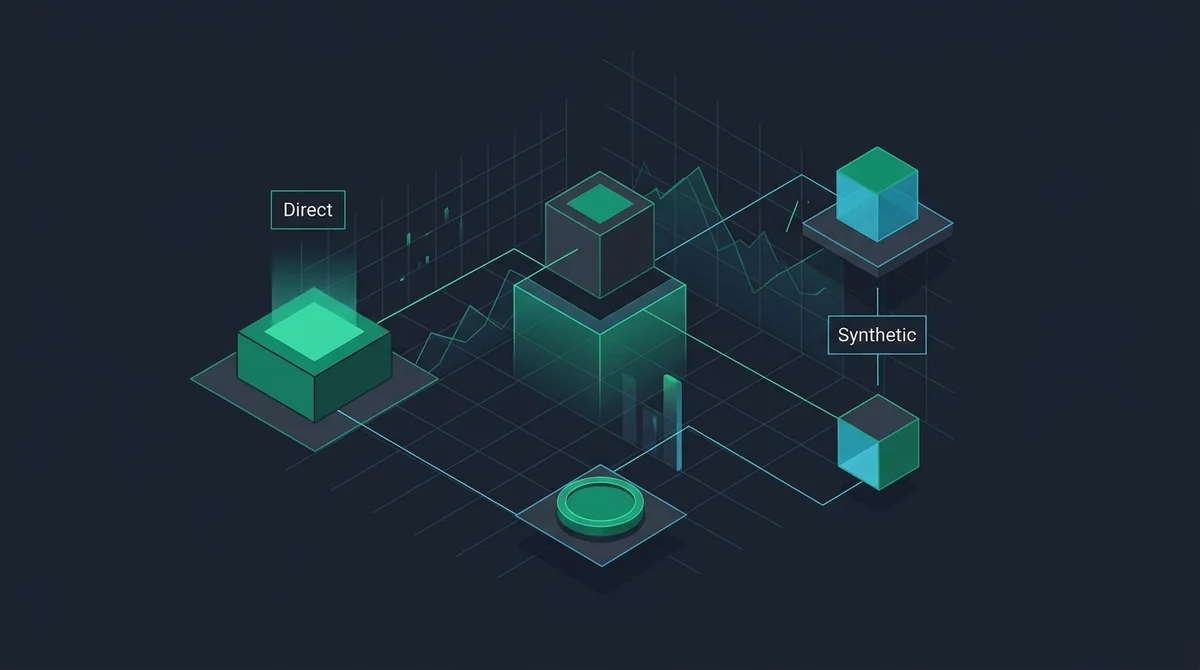
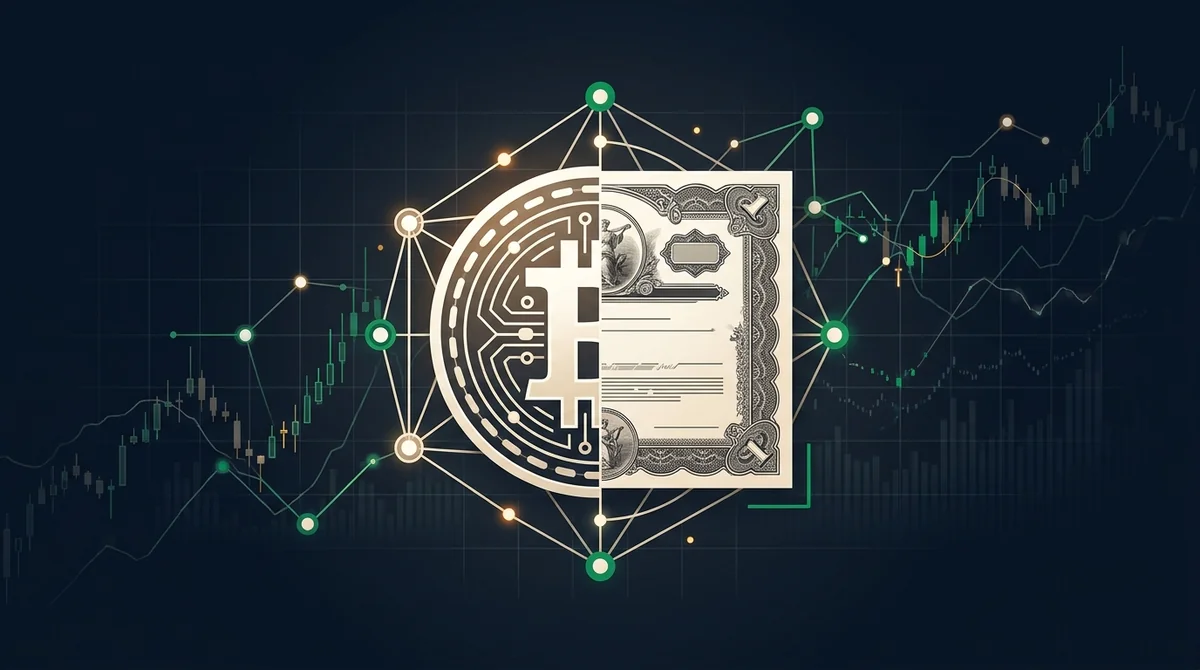
Tokenized US stocks use blockchain technology to represent US stocks or related interests as tradable tokens. These tokens may represent partial ownership of the underlying stock, or they may be synthetic products that only track the price of US stocks. By analogy, tokenized stocks are like replacing a paper stock certificate with an on-chain digital record, but what rights the record represents depends on the issuance terms.
How Do Tokenized US Stocks Relate to Real US Stocks?
The relationship between tokenized US stocks and real US stocks depends on the issuance structure. In a direct tokenization model, the token may correspond to an underlying stock certificate held by a licensed custodian. In a synthetic token model, the token only tracks the price of US stocks and does not hold real stocks. According to the US Securities and Exchange Commission (SEC) public securities token regulatory framework, if a token constitutes an investment contract, securities laws may apply; relevant statements can be found on the SEC website by searching digital asset securities topics. The specific classification is subject to the issuer's legal terms.
Do Tokenized US Stocks Equal Holding Real Stocks?
You cannot assume they are equal. The legal nature of a token depends on the issuance structure and regulation. With direct tokenization and compliant custody and redemption rights, a token may represent an interest in the underlying stock. Synthetic tokens may be derivative exposure with no stock ownership. Before buying, you must read the issuer's disclosures to confirm whether the token corresponds to real stock, whether there is a redemption mechanism, and what custody arrangements exist.
How to Verify the Authenticity of Tokenized US Stocks
To verify the authenticity of tokenized US stocks, start with primary sources. There are four steps. Each step can be performed independently and does not point to any specific platform.
Which Primary Sources Can You Check?
Primary sources include disclosures on the issuer's official website, blockchain explorers, and regulatory databases. Issuers should publish whitepapers, legal terms, and risk statements. On-chain data can show the token contract address, supply, and holdings distribution. Regulatory databases can show registration or exemption statements.
Key Steps to Verify Underlying Assets and Custody
- Review the issuer's official disclosure documents to confirm the product structure.
- Check the token contract address and supply on a blockchain explorer.
- Check whether the underlying asset custodian or collateral proof is publicly verifiable.
- Check whether the product has a registration or exemption statement with a regulator. These steps are a general path and do not constitute endorsement of any platform.
Direct Answers to Common Questions
Trading Venues and KYC
Tokenized US stocks can be traded on trading platforms or decentralized exchanges that support tokenized assets; supported ranges vary by platform. Most compliant platforms require KYC, but specific requirements vary by platform and region. Check official announcements before opening an account.
Custody and Liquidity Risks
Tokenized US stocks involve custody risk and liquidity risk. If the custodian is opaque or lacks oversight, the safety of the underlying assets may be affected. Trading activity and exit channels may also vary by product. Choose issuers with clear disclosures and review each product's liquidity and custody arrangements.
How to Distinguish Directly Tokenized Stocks from Synthetic Tokens
Read the issuer's disclosures to confirm whether the token corresponds to a real stock certificate. Synthetic tokens usually explicitly state that they do not hold the underlying stock and only track its price. Direct tokenization may correspond to an underlying stock certificate held by a licensed custodian.
Data Scope, Sources, and Boundaries
This page was compiled and cross-checked by the OKX Radar editorial team based on public regulatory frameworks and general mechanism descriptions; it does not use any specific platform's latest fee or product data. The legal status of tokenized US stocks may differ by jurisdiction. Readers should verify the issuer's qualifications and product terms themselves. Tokenized US stocks involve risks such as underlying asset custody, liquidity, and regulatory uncertainty. Risk warning: Crypto/digital asset prices are highly volatile, and information and rules may change at any time. This article does not constitute investment, legal, or tax advice. Before making decisions, refer to the latest official announcements and actual product pages.