What Are NYSE Tokenized Stocks?
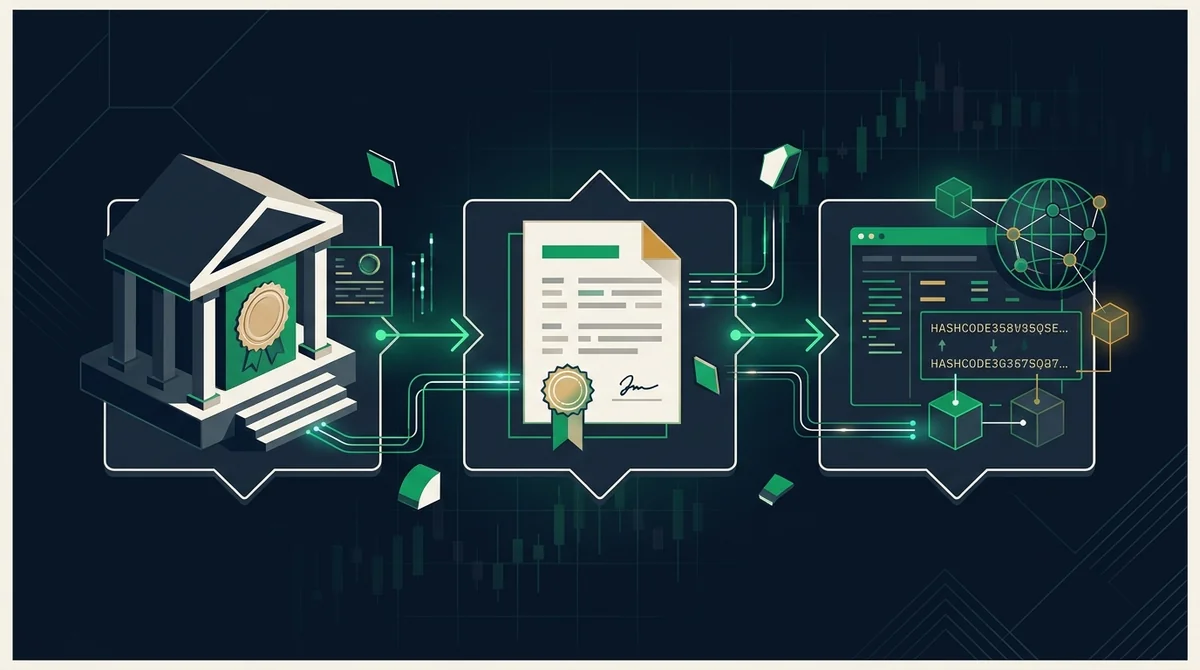
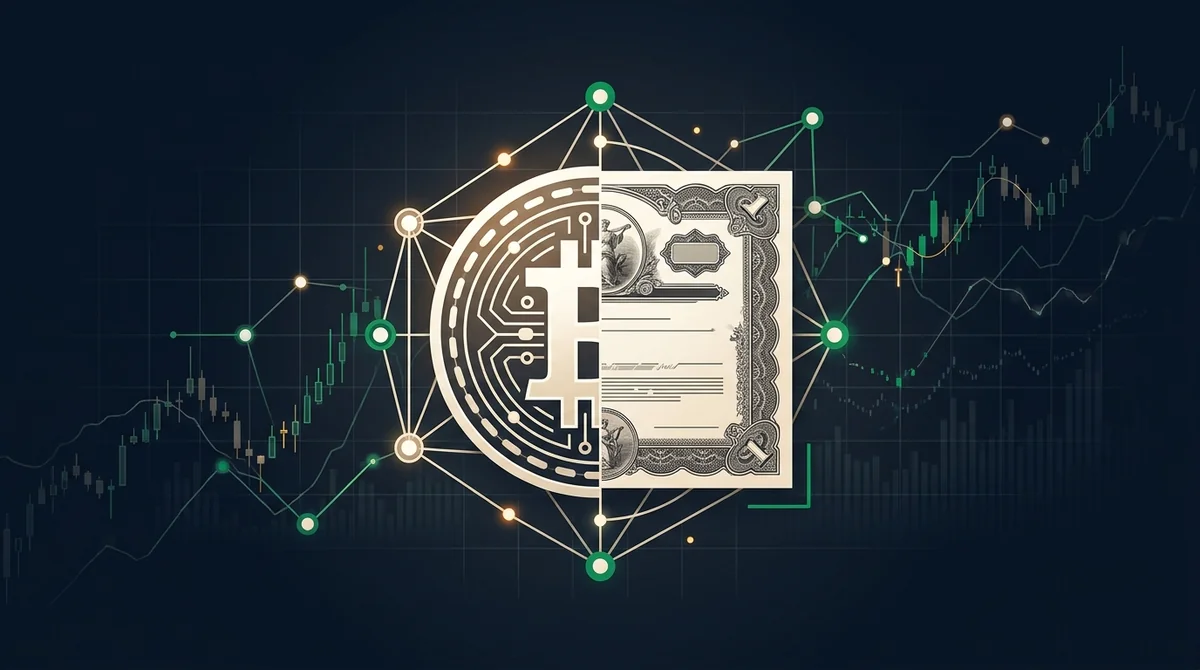
Tokenized stocks generally refer to tokens issued on a blockchain that represent rights related to stocks of companies listed on the New York Stock Exchange. They fall within the real-world asset (RWA) category, but not all tokens are equivalent to actual stock ownership.
Are Tokenized Stocks Different from Real US Stocks?
Yes, they are different. Tokenized stocks may map real stocks through compliant custody or synthetic assets, so trading hours, custody, and legal attributes may differ. However, the specific differences depend on the issuer's disclosures and the applicable regulatory position. A simple analogy: a tokenized stock is like replacing a paper stock certificate with an on-chain digital certificate, but whether the rights behind the digital certificate are equivalent to direct shareholding depends on the issuance structure.
What Are the Compliance Prerequisites for Tokenized Stocks?
Compliance prerequisites generally include the issuer completing registration or licensing in the relevant jurisdiction, the underlying assets being held by a qualified custodian, and token holders being informed of the underlying assets and redemption arrangements. Specific compliance requirements vary by product and region, so you should check announcements from the U.S. Securities and Exchange Commission (SEC) or local regulators.
How to Distinguish Tokenized Stocks from Crypto Exchange Spot Trading?
The key is to look at the underlying asset and legal nature. Tokenized stocks are anchored to real-world stocks or related rights, while crypto exchange spot trading typically involves independent digital assets that do not map traditional securities. However, if a tokenized stock product has a synthetic structure, it may also have derivative characteristics, so you must read the issuer's documentation. This site's independent judgment: you should not assume that the word "stock" makes a product a security, nor should you assume that on-chain issuance makes it equivalent to actual stock.
How to Verify the Compliance and Custody of NYSE Tokenized Stocks
Which Primary Sources Should You Check?
First check the SEC's EDGAR database, the issuer's official disclosure documents, and the token contract information on a block explorer. If the issuer operates in a non-US jurisdiction, you should also check the local regulator's public registration or warning lists.
What Are the Verification Steps?
- Search for the issuer or its affiliated entity in SEC EDGAR to see whether it has filed a registration statement or exemption document.
- Review the product terms, whitepaper, custody description, and risk disclosures on the issuer's official website, and record the date of the materials.
- Use a block explorer to view the token contract address and check whether the token supply, holder distribution, and custody address match the disclosures.
- If custody or compliance cannot be verified, clearly mark the information as missing and do not infer that it is valid.
Data Scope, Sources, and Limitations
- Cutoff date: this article does not include date fields from a specific fact base, so no fixed date is provided; all dynamic information must be based on the latest disclosures from regulators and issuers.
- Unknown items: this article has not verified the custodian, liquidity, regional availability, or fees of any specific tokenized stock product, because these dimensions were not present in the input fact base.
- Non-causal statement: this article does not establish a causal relationship between "tokenized stock prices" and "US stock prices," nor does it infer platform security.
- Risk warning: crypto/digital asset prices are highly volatile, and materials and rules may change at any time. This article does not constitute investment, legal, or tax advice; before making decisions, rely on the latest official announcements and actual product pages.