As of October 2, 2026, the Ethereum Foundation launched the zkAPI privacy payment tool, and Porsche announced the termination of its 911 NFT project.
Facts and Timeline: zkAPI Launch and Porsche NFT Termination
What Is zkAPI? Who Proposed It and How Does It Work?
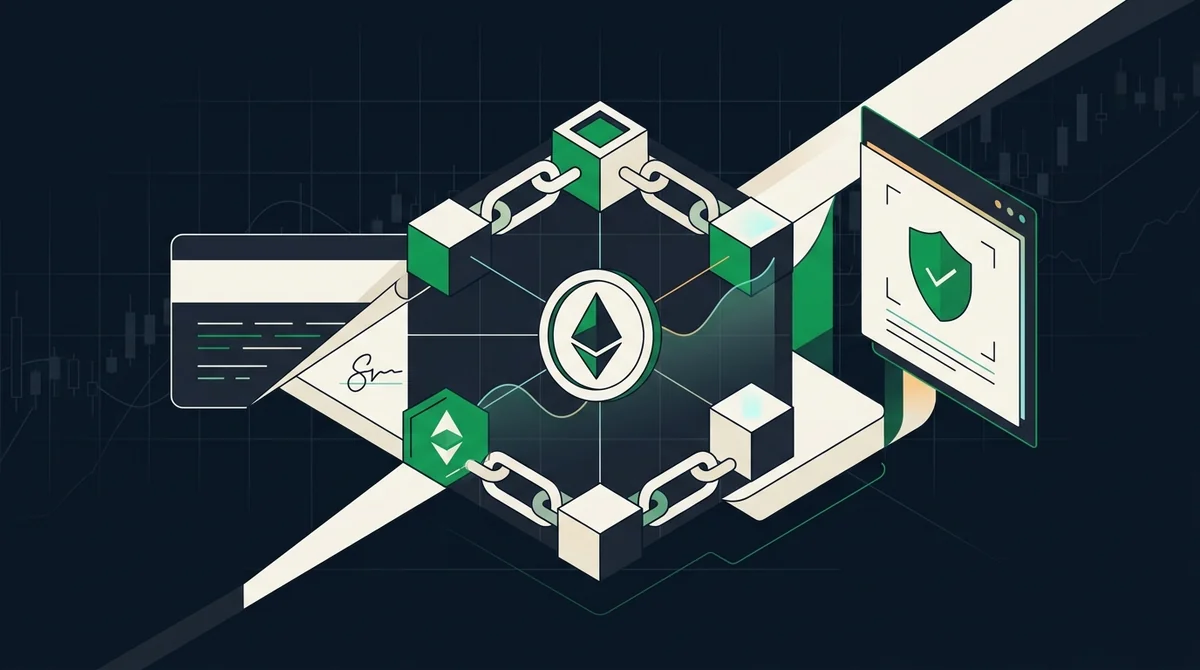
According to a report by The Block on October 1, 2026, the Ethereum Foundation launched zkAPI. Users first need to deposit ETH or USDC into an Ethereum vault contract, and the system uses zero-knowledge proofs to generate temporary API keys and set spending limits. The design was jointly proposed by Davide Crapis and Vitalik Buterin, implementing the "ZK API Usage Credits" design on the Ethereum research forum. The tool is currently used to pay for AI models and other metered API fees, and is not a securities token trading tool.
The Fact Chain Behind Porsche Ending Its Web3 Project
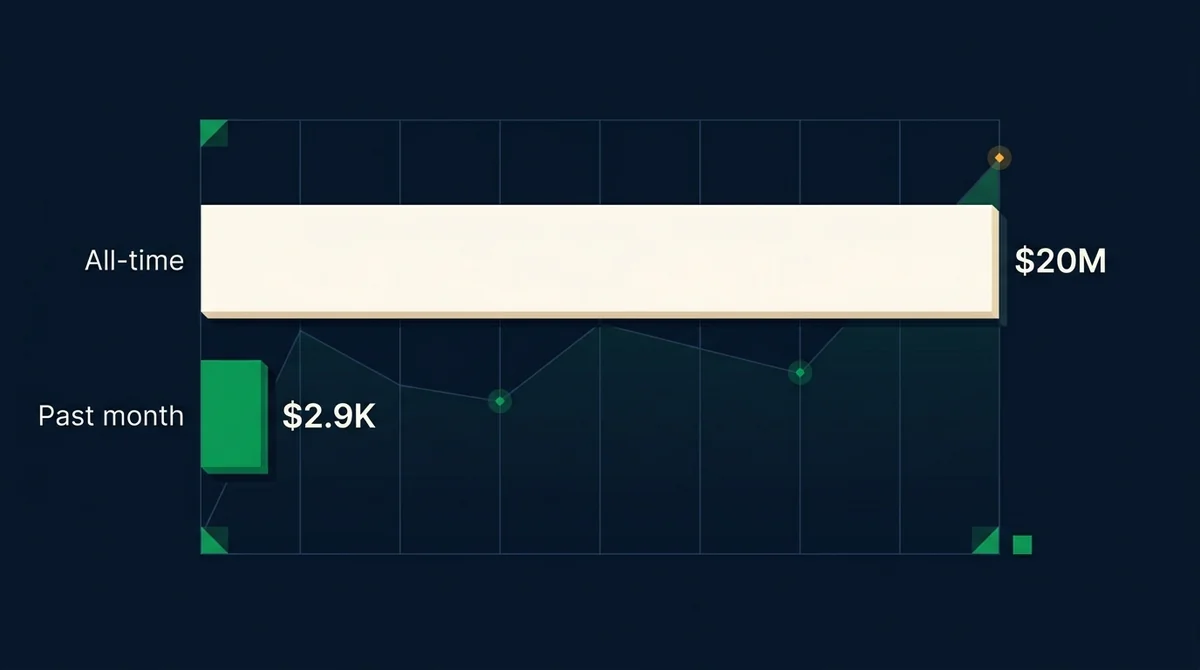
According to a report by Cointelegraph on October 2, 2026, Porsche announced the end of its Web3 project and the Pioneers Circle community, nearly four years after the launch of its 911 NFT series. The 911 NFT launched in January 2023 with a planned supply of 7,500. Minting stopped due to pricing and utility complaints, leaving the supply at 2,363. All-time trading volume is about $20 million, with about $38,000 over the past year and about $2,900 over the past month.
Liquidity Risks for On-Chain Assets Seen Through the Porsche 911 NFT Termination
Why Did Supply Stop at 2,363?
The planned supply was 7,500, but the actual supply stopped at 2,363, indicating insufficient demand. The pause in minting stemmed from pricing and utility complaints. Project teams may unilaterally change asset plans due to demand or operational issues.
What Does the Sharp Drop in Trading Volume Show?
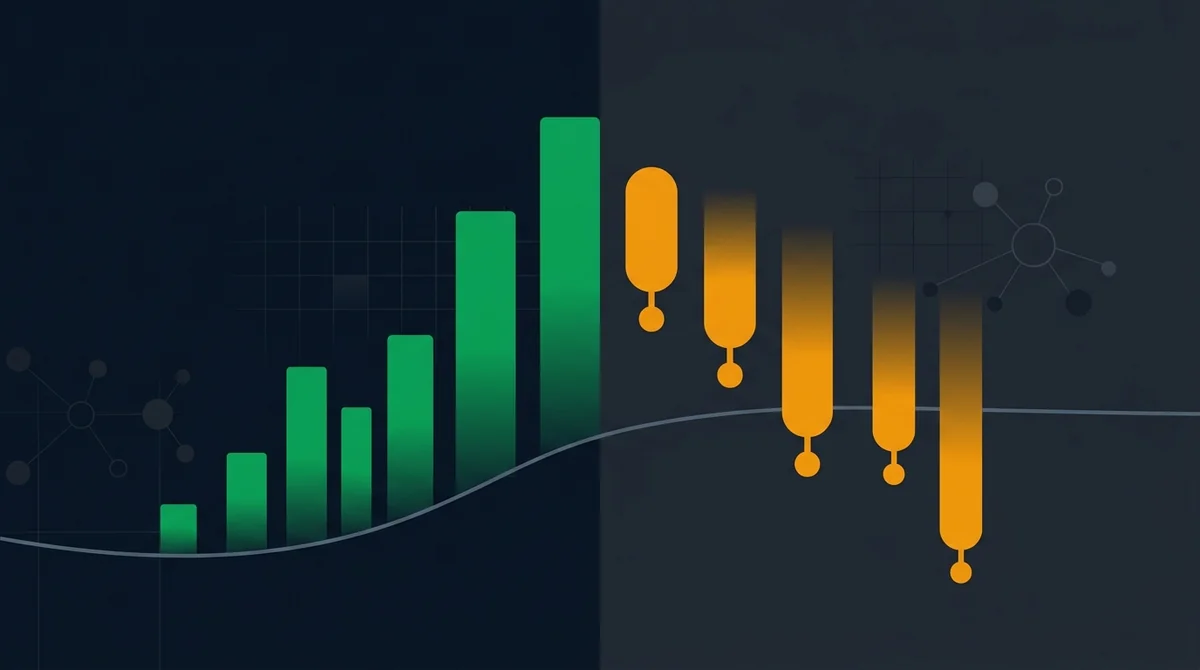
All-time trading volume is about $20 million, but only about $38,000 over the past year and $2,900 over the past month. This combination of high cumulative volume and very low recent volume shows that secondary market liquidity has nearly dried up, and exiting may be difficult. MSX on-chain stock users should not look only at cumulative trading volume.
What Is the Direct Reminder for MSX On-Chain Stock Users?
Tokenized U.S. stocks are also on-chain assets. Users should check the recent liquidity of their MSX on-chain stocks, the project team's ongoing operational commitment, community activity, and confirm whether there is a clear redemption or exit mechanism. If relevant data is not available, they should verify further rather than assume the platform will automatically guarantee an exit.
Potential Impact of zkAPI Privacy Payments on On-Chain Asset Infrastructure
Can zkAPI Be Directly Used to Buy Tokenized U.S. Stocks?
It cannot be directly applied at present. zkAPI is used to pay for AI models and metered API fees, and is not yet directly used for securities token trading. Equating a privacy payment tool with a payment channel for tokenized U.S. stocks lacks a basis.
Impact of Privacy Payments on Identity Verification and Compliance
Zero-knowledge proofs may provide infrastructure ideas for tokenized securities in identity verification, partial disclosure of holdings, or compliance proofs. However, privacy payments and securities trading have different regulatory boundaries, and it cannot be assumed that MSX will integrate zkAPI.
What Follow-Up Developments Should MSX Users Watch?
Users can watch whether Ethereum expands zkAPI use cases, regulatory guidance on zero-knowledge proofs and securities trading, and whether MSX officially issues any privacy payment-related statements. This site has no official MSX statement to cite, and readers should rely on MSX official announcements.
Self-Check for On-Chain Asset Users: A Verification Framework Drawn from Two News Stories
The following steps help users check their on-chain assets.
- Check whether the project team continuously discloses maintenance, redemption, and exit plans.
- Review secondary market liquidity, focusing on 30-day trading volume to avoid being misled by cumulative volume.
- Confirm the asset's own utility and redemption rights, such as whether there is a clear redemption window or legal terms.
- Assess whether the technology stack depends on unverified new infrastructure, such as modules like zkAPI that are not directly used for trading.
- Regularly track 30-day trading volume, community activity, and official announcement frequency to avoid getting involved only after liquidity has dried up.
Data Conventions, Verification, and Risk Disclosure
Cut-Off Time for Data Cited in This Article
The news facts in this article are based on public reports from October 1 to 2, 2026; trading volume calculations may vary depending on data sources.
Which Data Should Readers Re-Verify?
Data on the Porsche 911 NFT's trading volume and supply come from Cointelegraph and have not been cross-verified with on-chain data markets; the description of zkAPI's functions comes from The Block, and it is recommended to refer to official Ethereum Foundation documentation.
This Article Does Not Constitute Investment Advice
This article is for information organization and education only and does not constitute buy, sell, or hold advice. Tokenized assets carry liquidity, regulatory, and project termination risks, and decisions should be independently verified with a licensed advisor before acting.
Risk Warning: Crypto/digital asset prices are highly volatile, and information and rules may change at any time. This article does not constitute investment, legal, or tax advice. Before making decisions, rely on the latest official announcements and actual product pages.