Commercial real estate has long been regarded as one of the cornerstone assets for institutional wealth preservation. However, this asset class remains known for poor liquidity, capital intensity, and heavy legal friction. Real estate tokenization is fundamentally changing the operating logic of property investment.
Why Traditional Commercial Real Estate Investment Has High Barriers
Historically, participating in high-value commercial real estate required large-scale capital allocation, with pathways typically limited to professional private equity real estate funds or direct physical acquisitions. Individual investors could mostly participate indirectly only through publicly traded real estate investment trusts (REITs), and REITs trading is often driven more by public market sentiment than by directly reflecting the income dynamics of the properties themselves.
How Real Estate Tokenization Enables Fractionalization and Transparent Ownership
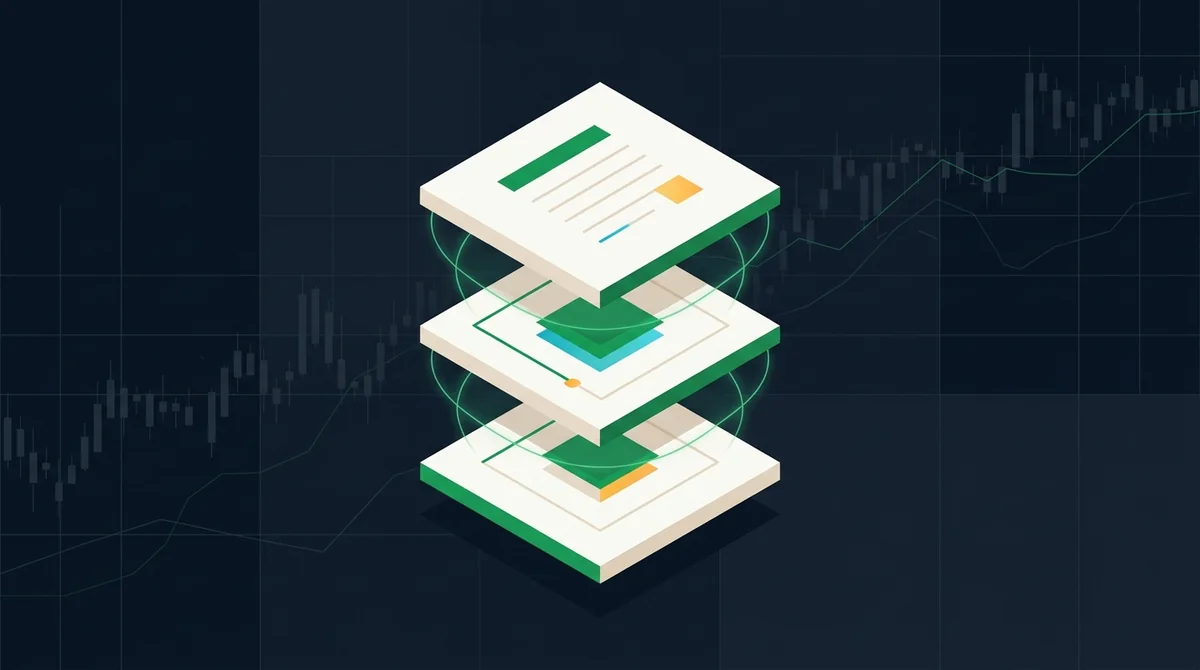
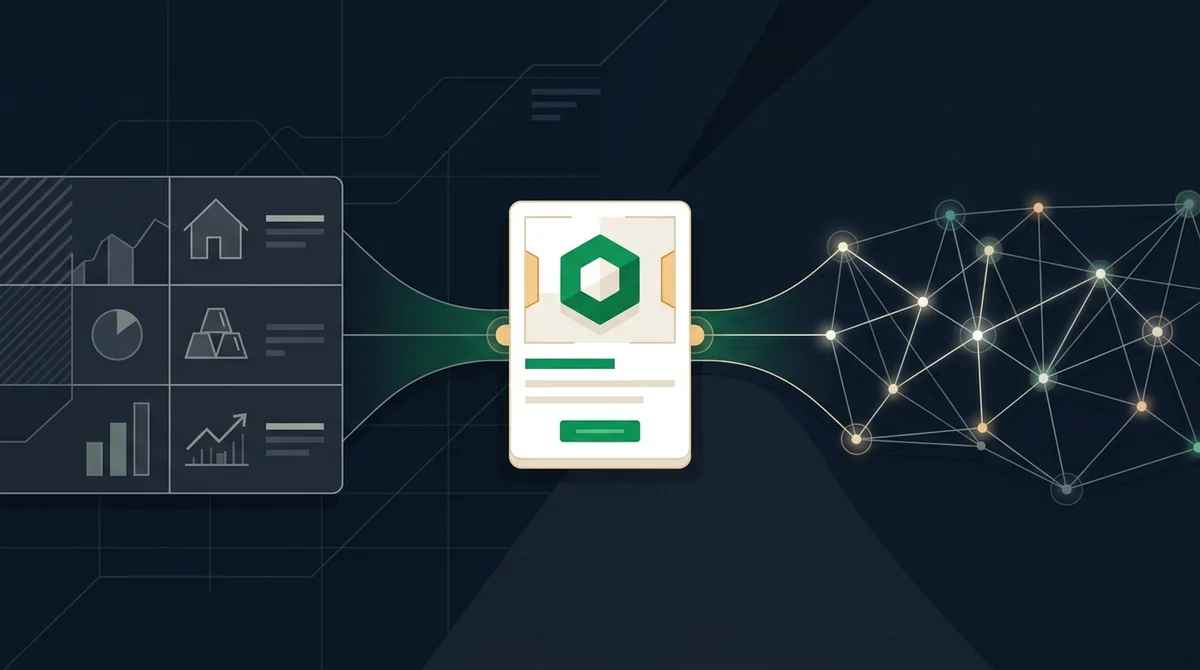
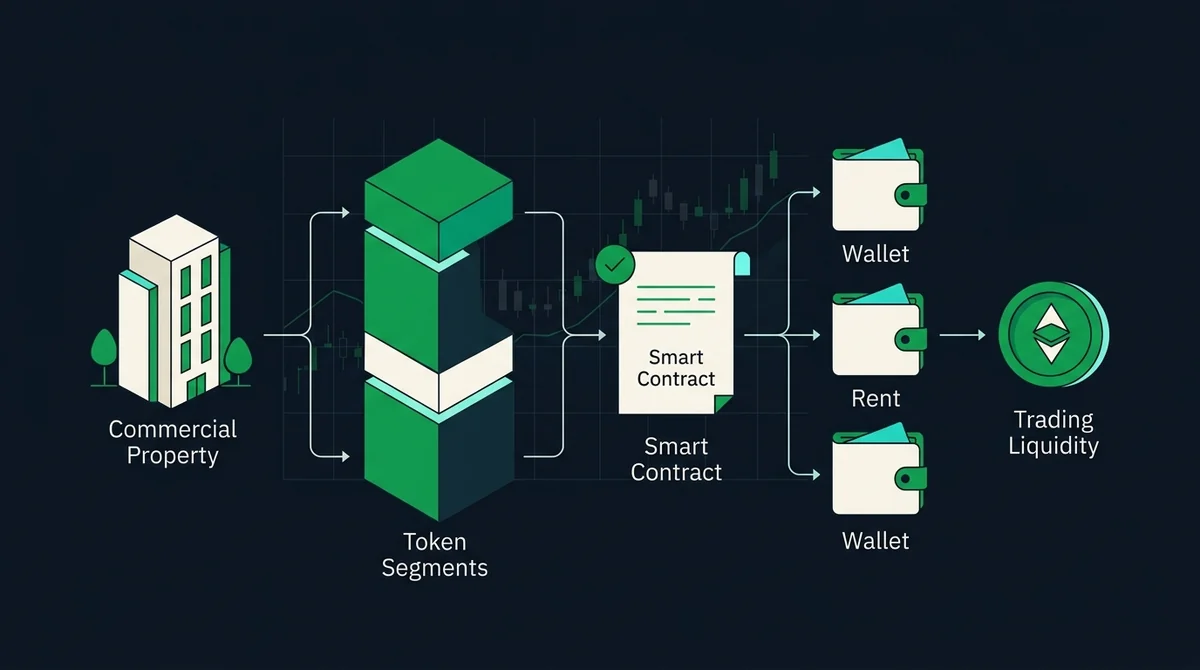
Real estate tokenization digitizes legal ownership or cash-flow rights into structured digital security tokens, thereby changing the paradigm described above. A commercial building worth millions of dollars can be divided into thousands of crypto tokens, allowing investors to participate in a fractionalized manner while retaining transparent records of ownership transfers on a shared ledger.
Smart-Contract Rent Distribution and Secondary Liquidity
Beyond fractionalization, smart contracts can also enable programmatic rent distribution. Investors no longer need to wait for quarterly dividend checks; instead, they can receive rental income directly into their digital wallets on a daily or monthly basis. In addition, tokenized real estate assets may potentially be traded on secondary alternative trading systems (ATS), thereby providing secondary liquidity that was previously difficult to obtain in illiquid real estate markets.
From the perspective of digital infrastructure, real estate tokenization is unlocking institutional capital efficiency and accessibility, and continuing to drive the convergence of global physical assets and digital assets.