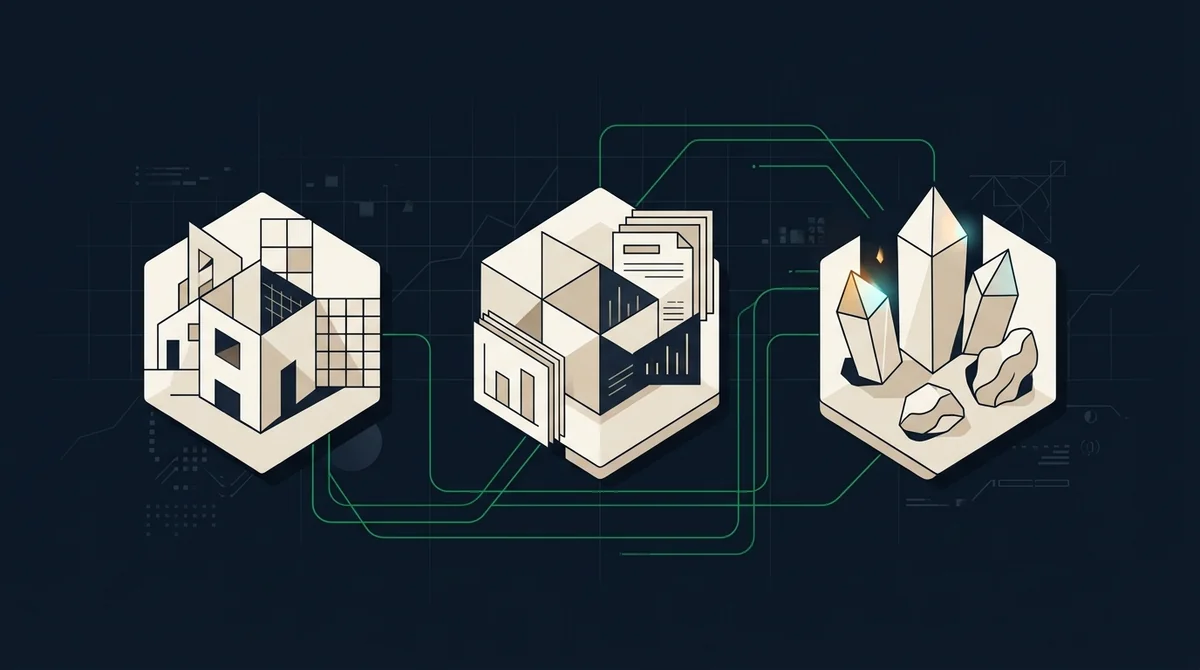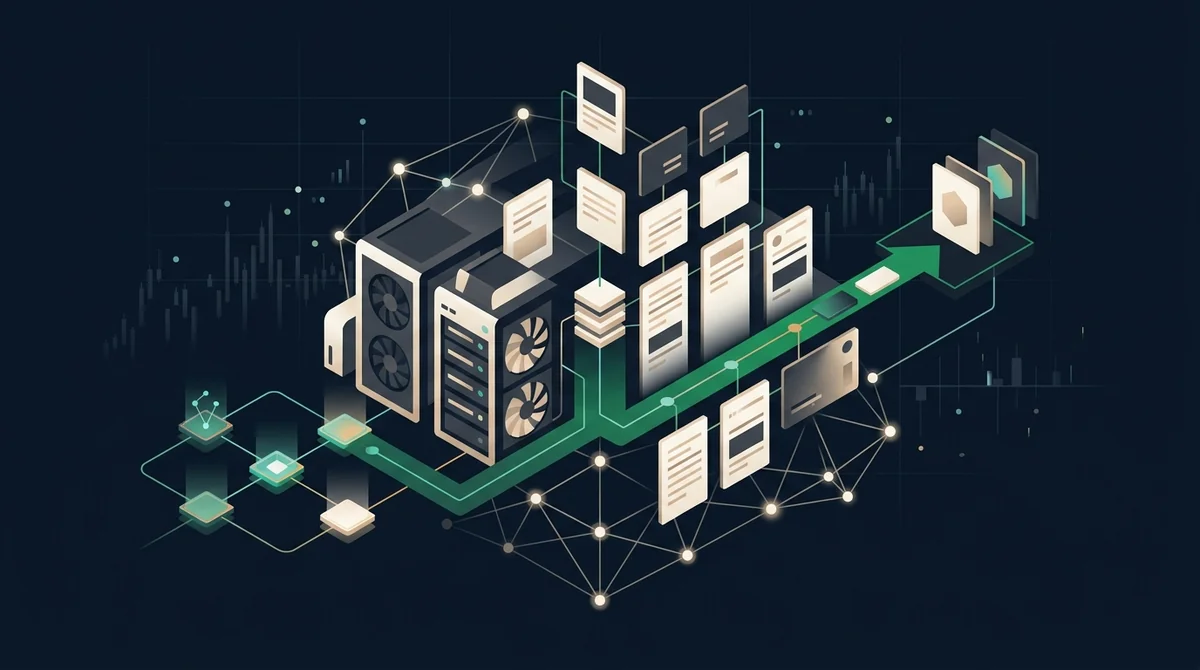
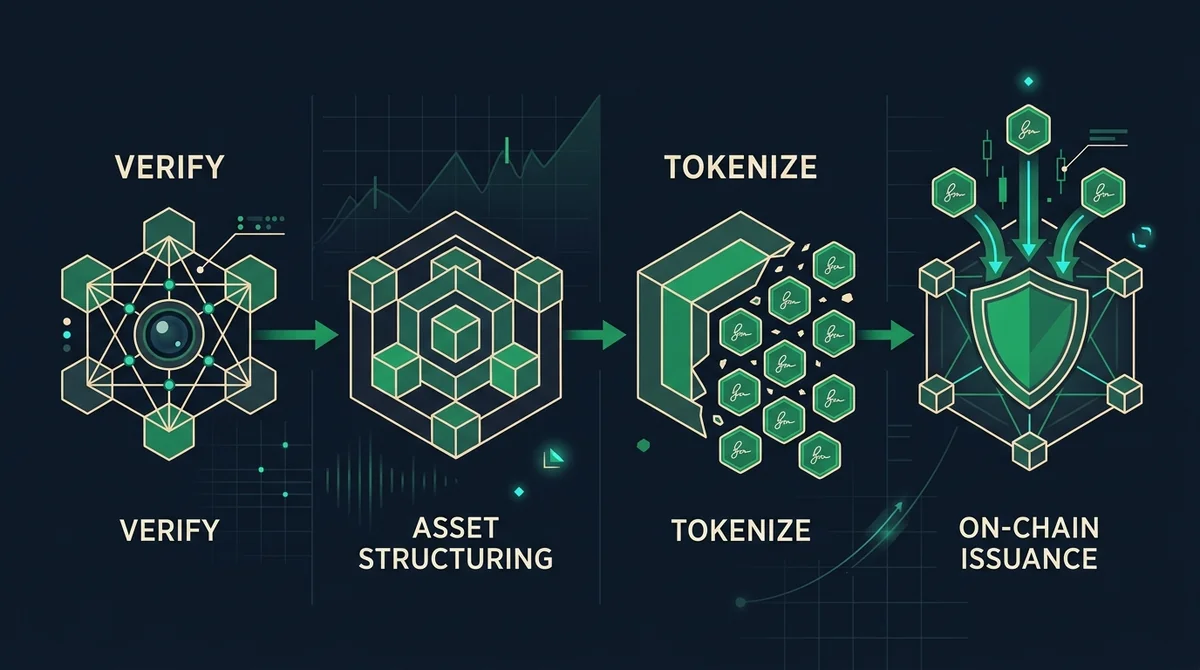
As the exploration of real-world asset (RWA) tokenization gradually deepens, the combination of mining assets and blockchain is becoming a noteworthy niche direction. A typical mining RWA infrastructure project does not simply turn a single mine into a token, but attempts to build a standardized infrastructure to connect real mining assets to the on-chain environment. Its path covers the complete process from asset verification, structuring, tokenization to on-chain issuance.
Project Positioning and Design Approach
The uniqueness of this type of project lies in its infrastructure positioning. It emphasizes first establishing reusable verification, structuring, and tokenization processes rather than doing one-off packaging around a single mine. This approach helps bring fragmented mining assets into a unified on-chain standard, providing a clearer foundation for subsequent issuance and trading. The project is still in an early stage, has opened a waitlist, and has simultaneously launched activity points, a whitelist (WL), and possible SBT opportunities.
On-Chain Components and Participation Incentives
The project places the verification framework, structuring, tokenization, and on-chain issuance in the same process. The verification framework focuses on confirming the authenticity and status of mining assets; structuring organizes asset information into a form suitable for on-chain representation; tokenization converts asset rights into on-chain tokens; and on-chain issuance enables these tokens to be recorded and circulated. The project team has also set up activity points and an invitation mechanism. Participants can invite friends or other interested people to join; the more people invited, the more it helps expand the community size.
Waitlist and Wallet Connection Process
In terms of the participation process, users typically need to first connect a commonly used wallet. The system supports mainstream wallets such as MetaMask, and participants can choose a familiar method to complete the connection and confirm joining the waitlist. After connecting, they can join the project's Telegram community and X account to receive updates. The community currently has about 131,000 members, with relatively active discussions.
Community and Subsequent Verification
After completing the wallet connection, email verification is required. Participants can enter a commonly used email address, whether Gmail, iCloud, Yahoo, or others; the system sends a verification code that can be entered to complete verification. The project also provides a whitepaper for participants to further understand its design logic, infrastructure framework, and RWA issuance approach. The waitlist remains open, and on-chain issuance is also progressing; as it is still early, participants can use this to accumulate activity points and watch for future whitelist and SBT opportunities.
From the RWA observation perspective of OKX Radar, the exploration of standardized infrastructure for mining RWA is one of the important directions for bringing real-world assets on-chain. Compared with simple project promotion, the design of such projects in verification frameworks, structuring, and on-chain issuance deserves more sustained attention. As more real assets attempt to connect to the blockchain in a standardized manner, the compliance boundaries and infrastructure maturity of RWA will become key dimensions for judging project value.