RealToken once claimed to have tokenized 1,500 homes in the United States, with a portfolio of about $90 million, and called itself "the creator of this industry." But contradictions surrounding its property maintenance, fund flows, and investor returns have gradually come to light, and the company has now entered liquidation proceedings, with the entire portfolio valued at about $140 million.
Company Size and Investment Model
Founded by brothers Remy and Jean-Marc Jacobson, RealToken is a crypto real estate investment company. Since 2019, the company has offered token shares in more than 700 properties across nine U.S. states, 75% of which are located in Detroit. The platform has distributed $13 million in rent to investors, reached $100 million in sales, and has more than 10,000 active token holders.
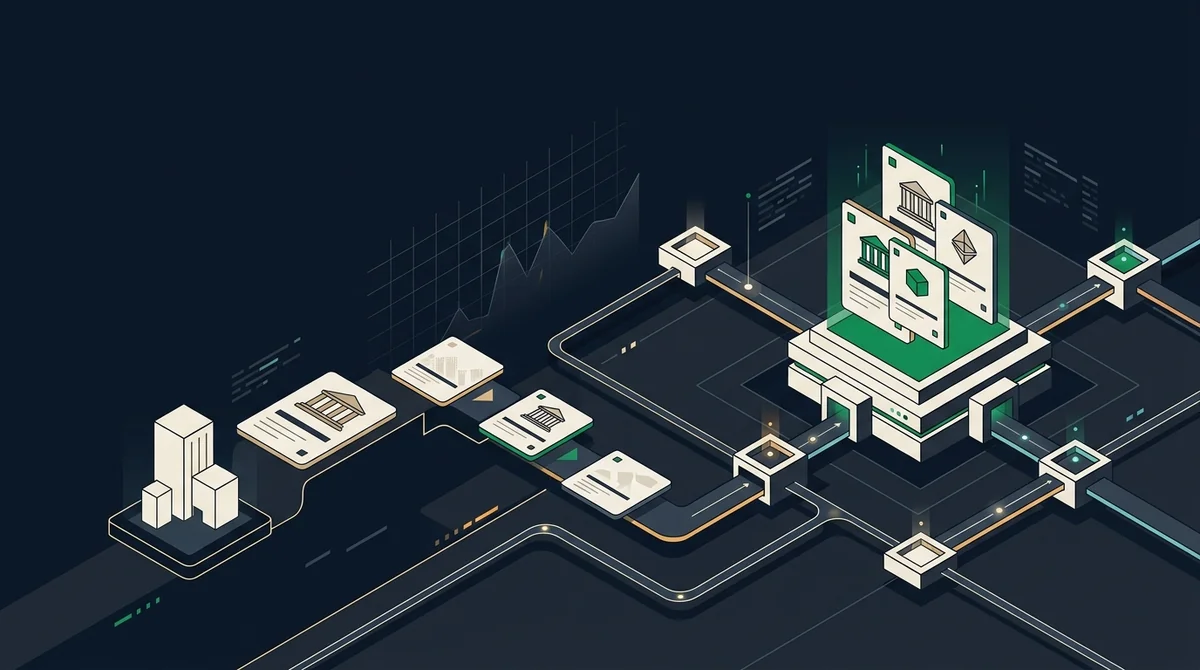
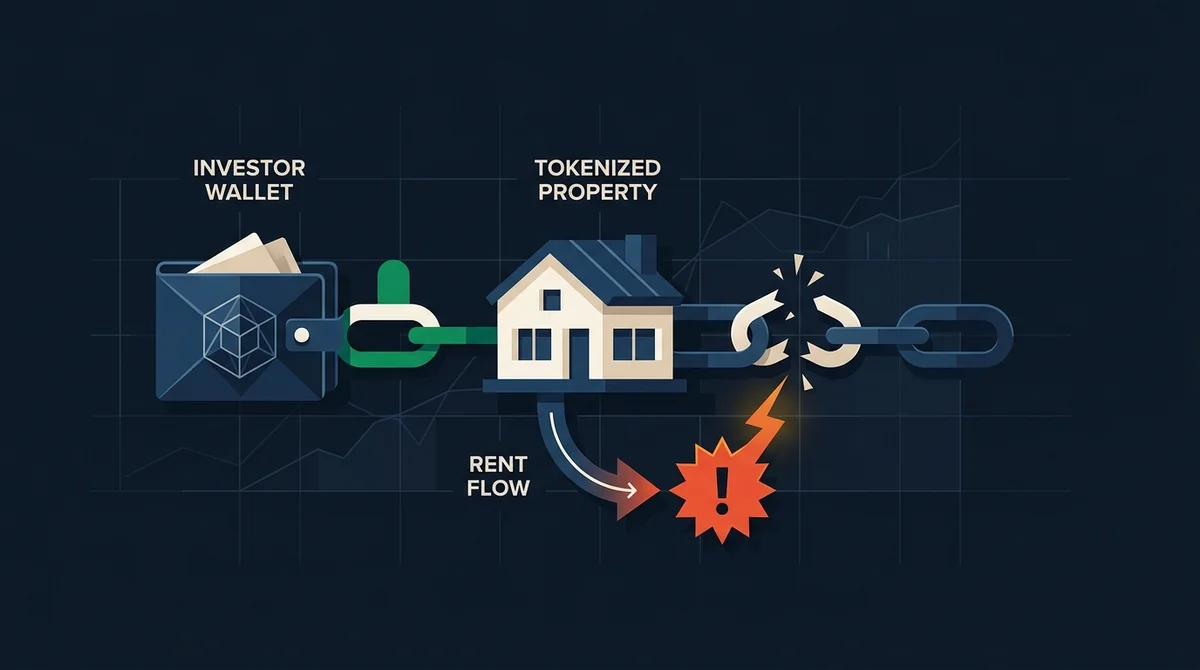
Its operating model is as follows: RealToken first lists properties on its website to raise funds for purchases, and investors outside the U.S. can buy tokens with a minimum of $50. The token represents a share of the limited liability company formed to buy the corresponding property. Token holders are expected to profit from rental income, with returns of up to 16%. The website also warns that the tokens are highly speculative and high-risk. The Jacobson brothers take fees: 10% of funds raised, 2% of annual gross rent, and 10% of the property's sale price in the future.
The core logic of tokenization is similar to a coat check ticket—the digital token is not the property itself, but a digital representation of ownership of a valuable asset, which can be divided into smaller shares to improve accessibility and transparency.
Detroit Tenants and City Lawsuits
Tenants in Detroit report that housing conditions continue to deteriorate. One tenant, Helen, said that after a contractor sent by RealToken installed a water heater, she came home to smell gas; water got into the electrical box and caused tripping; the house also had a leaking upstairs toilet, a sagging ceiling, and damaged foundation around the bathtub, making it unsafe for the children living there. She paid rent on time every month but could not reach the company for simple repairs. She received eviction notices dated May 9, 2024, May 1, 2025, and July 14, 2025. A judge ruled that RealToken had no legitimate reason to evict her, but the notices did not stop.
In 2025, the city of Detroit sued RealToken and the Jacobson brothers, alleging hundreds of violations, including acts that endanger health, safety, or public welfare. One of the causes of the case was that the company owed about $2 million in property taxes and fines, and tenants complained about the lack of repair options. Tamara York-Cook, an attorney with Detroit's law department, said inspections covered more than 400 properties and found serious life safety issues: no heat, no hot water, sewage in basements, leaking ceilings, etc., affecting all of Detroit. Detroit requires rental properties to hold a certificate of compliance, and RealToken bought properties locally through more than 160 limited liability companies, many of which lacked the certificate. The Jacobson brothers had blamed local property managers, saying they hired the wrong people, and moved to dismiss the lawsuit, arguing there was no evidence of fault and that they had paid for repairs themselves. But court records show that the highest-level ownership and governance of the company are dominated by the two brothers.
The court issued a temporary restraining order prohibiting RealToken from collecting any rent or evicting tenants in Detroit for 90 days, essentially cutting off the cash flow from its largest property portfolio.
Early Legal Disputes and Ohio Expansion
The two brothers entered the crypto space in the early 2010s and founded one of the earliest industrial Bitcoin mining farms in the U.S. Federal lawsuits followed: they sued a Bitcoin mining company, calling it a Ponzi scheme, and were awarded more than $6 million; in another case, a client sued them for stealing $1.5 million in Bitcoin, which was settled with details kept confidential, and the brothers did not admit wrongdoing.
In 2020, RealToken expanded to Ohio, with Cleveland becoming a focus, accounting for more than 10% of its portfolio. The company published weekly data showing amounts paid to investors, and there were nearly 90 properties in Ohio. Public records show that eight properties still paid returns to investors on the books but may have been vacant for years. Former property manager Doug McVean managed five of them and confirmed that many properties were vacant. In a phone call with Remy, he said one property needed $50,000 in repairs to be rented again, to which Remy responded "that doesn't sound too bad," but the funds never materialized. The property was later boarded up by the city of Cleveland. Doug was fired in 2024.
Financial records show that in January 2024, 13 properties had a net loss of $8,816. Among them, the property at 10617 Hathaway was vacant with no income; Nila Crest and others had rental income but still lost nearly $5,000 after expenses. RealToken later accused Doug and his partners of stealing $400,000 in rent, which Doug denied and asked the court to dismiss.
Vacant Properties and Unusual Fund Flows
An investigation found that tokens for three visited properties that investors bought still received returns of 10% to 15% in 2024, even though those properties were operating at a loss. More broadly, there are 20 properties that RealToken does not actually own but still allowed investors to buy related tokens and paid profits. As of January this year, more than 2,700 investor wallets received payments from these tokens. Investor Sylvain bought tokens for five of those properties and received weekly payments for more than a year and a half. The specific source of these funds is unclear, and the Jacobson brothers did not respond to related questions.
Sylvain invested about $5,000, hoping that if the project went well he could leave assets for his children. He never visited any of his investment properties in person, nor had he been to Detroit or the U.S. It was only after local journalists disclosed the tax arrears and repair issues in 2025 that he realized something was wrong.
Legal Developments and Investor Actions
After the city of Detroit filed its lawsuit in late July 2025, the court denied the Jacobson brothers' motion to dismiss. In April of the same year, the city of Detroit reached an agreement with RealToken for a third-party special trustee to oversee the properties until they become compliant. At the same time, RealToken announced to investors that it would stop making payments.
Nearly 500 French investors, who together invested about $34 million, have joined a collective criminal complaint, planning to submit it to France's financial crime unit and hoping it will eventually be transferred to U.S. prosecutors. The Jacobson brothers did not respond to requests for comment; during the reporting period, they deleted public community conference call videos, retaining only two. They had expressed belief in RealT's core philosophy and admitted that some incidents and bad things had occurred.
This case again illustrates that if tokenization claims to correspond to real assets, it must be verified that the assets exist, that ownership is genuine, and where the income comes from. Otherwise, the gap between on-chain credentials and off-chain reality may evolve into systemic risk. Some investors believe that token holders should have done their own research beforehand and may simply have to write it off as a loss, but someone should be held accountable.